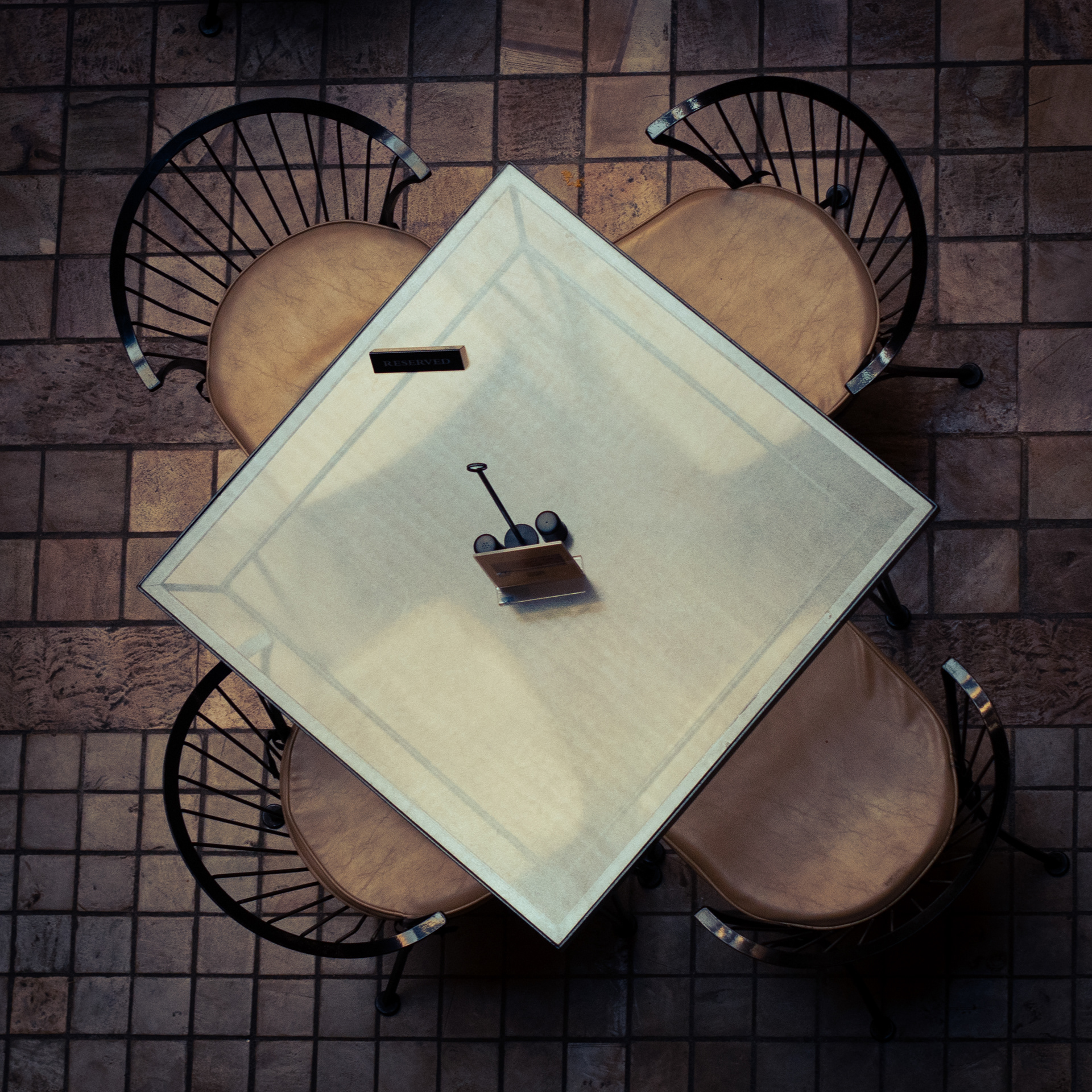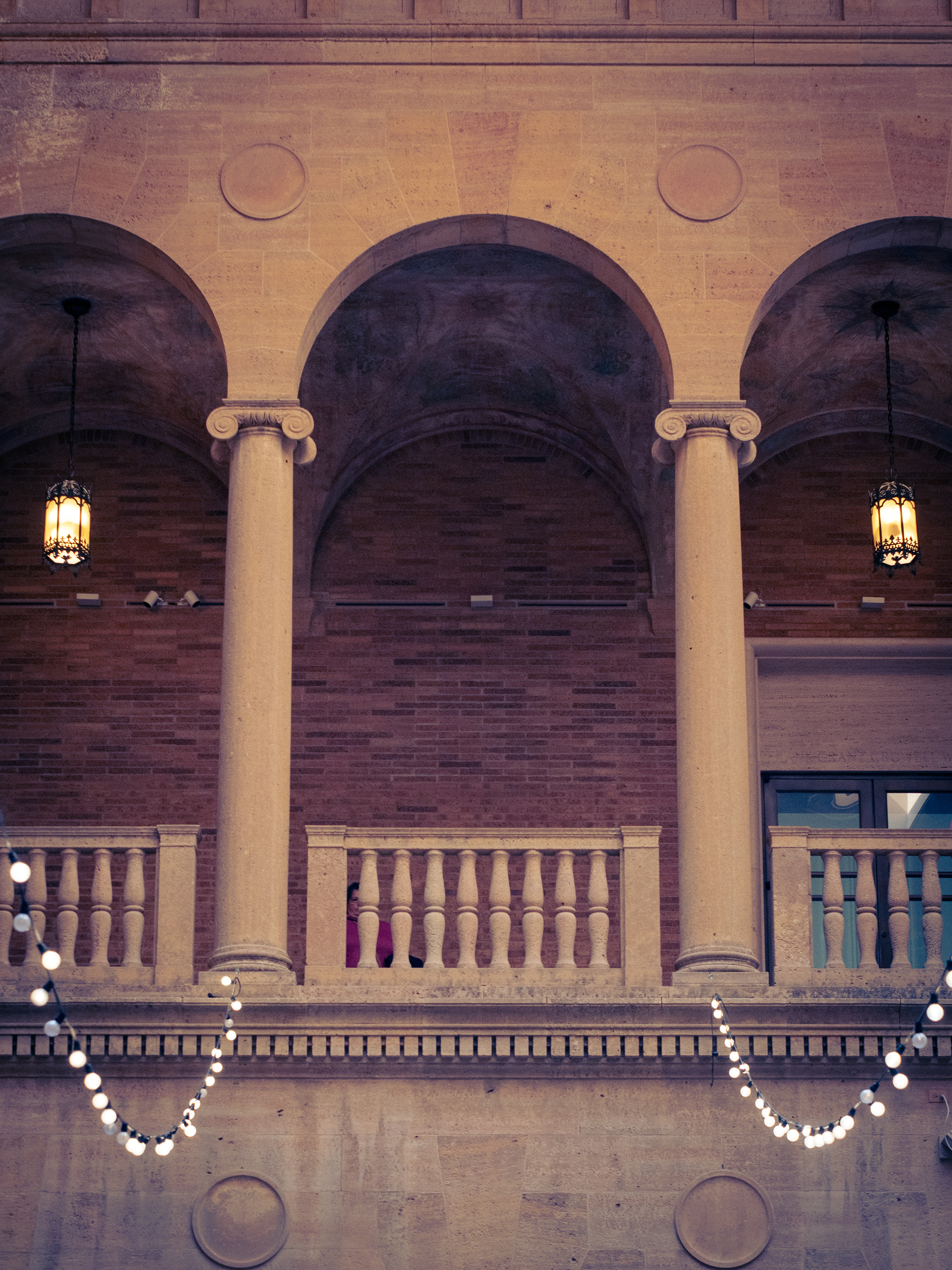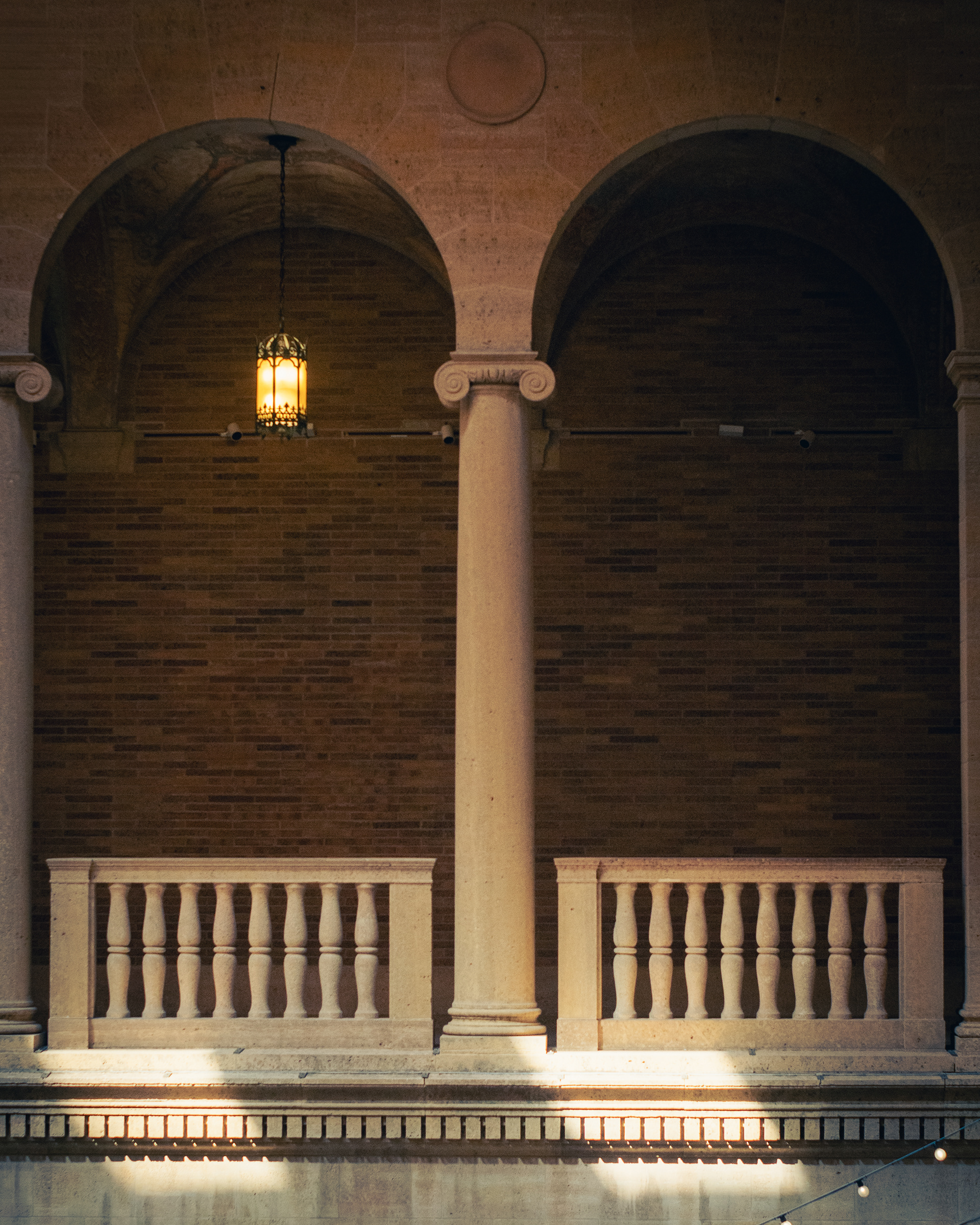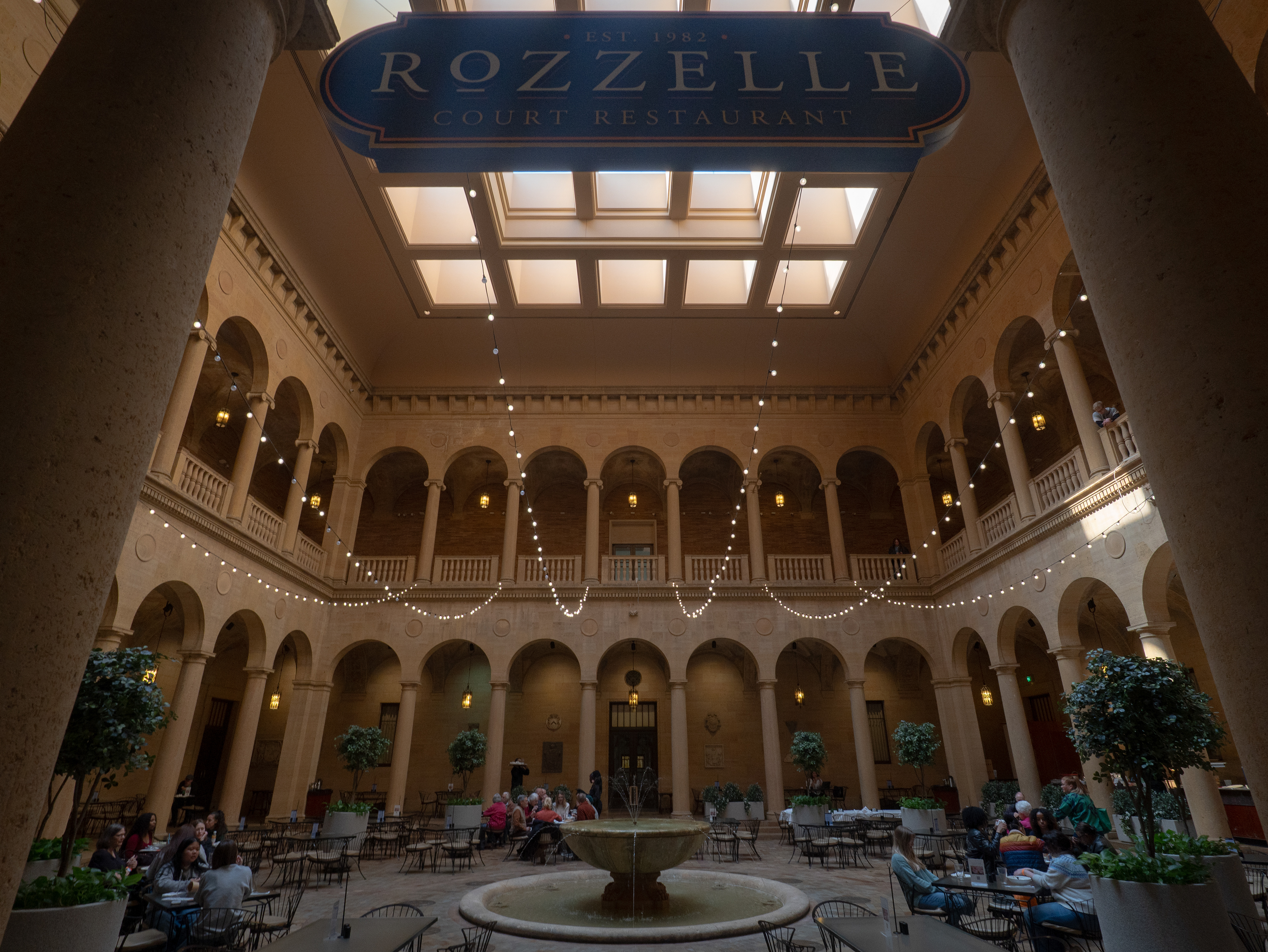
Photo from the Kansas City Museum of Art (March 2026)
I am a photographer, filmmaker, musician and journalist, and most of my work comes from trying to understand how sound, image and story connect. I am rooted in Alabama, and a lot of what I make is shaped by the people, places and creative communities around me. My background in music also plays a major role in how I see and create. Whether I am making photographs, producing videos, writing stories or performing, I am usually thinking about rhythm, emotion, atmosphere and the small details that make a moment feel real.
At the center of my work is attention. I care about the way light hits someone’s face, the way a performer moves on stage, the way a room feels before something important happens, or the way a person’s expression can say more than words. I try to notice those things because they are often where the real story is. Before I take a photo or start filming, I try to slow down and pay attention to what is already happening. I want my work to feel honest, intentional and alive, not forced or overly polished.
Music has had a huge influence on the way I approach photography and video. As a saxophonist, I have spent a lot of time thinking about tone, timing, phrasing and emotion. Those ideas carry over into my visual work. I often think of a photograph as having rhythm, even though it is still. A video, to me, can move like a song. The pacing, the cuts, the sound, the silence and the movement all work together to create a feeling. Because of that, I am not only interested in what something looks like. I am interested in what it feels like to be there.
A lot of my work focuses on people. I am drawn to portraits, performances, student life and community-centered stories. I see the camera as a way to help people feel seen, not just photographed. There is a difference between pointing a camera at someone and creating an image that actually reflects something about who they are. When I make portraits, I want the person in front of the camera to feel comfortable and involved. I care about expression, posture, light and composition, but I also care about trust. The best images usually happen when someone feels like they can be themselves.
I like portraits that feel polished but still real. I am interested in the space between documentary and editorial work — images that are carefully made, but still have life in them. Sometimes that means capturing a quiet expression or a natural gesture. Other times, it means shaping the scene more intentionally with lighting, location or mood. Either way, I want the image to feel connected to the person. I do not want my work to feel empty or overly staged. I want it to feel like there is something human underneath it.
Performance is another major part of my creative practice. Because I am a musician, I understand how much energy, preparation and vulnerability go into performing. When I photograph or film musicians, artists or live events, I am looking for more than the obvious moments. I want to capture the focus before a performance starts, the movement of the body, the connection between performers, the reaction of the audience and the feeling in the room. Live performance is temporary. Once it is over, it cannot happen the same way again. Photography and film give me a way to hold onto part of that experience.
My video work is also shaped by music. I think a lot about pacing and sound when I edit. A scene can feel completely different depending on where a cut lands, how long a moment is allowed to breathe, or what sound is placed underneath it. I like the idea that video can combine so many parts of my creative life at once: image, sound, rhythm, story and emotion. When those pieces work together, the result can feel powerful in a way that one medium alone sometimes cannot.
Journalism has taught me to approach storytelling with more responsibility. It has helped me understand the importance of asking good questions, listening closely, checking facts and thinking about context. As a journalist, I am reminded that stories are not just content. They belong to real people and real communities. That matters to me. I want to tell stories with care, especially when I am working with students, artists, local communities or people who are trusting me with their experiences.
Being from and based in Alabama also shapes my work. The South is complicated, creative and full of stories that are often misunderstood or overlooked. I am interested in showing the people and places around me with honesty and depth. Alabama has shaped the way I think about community, identity, tradition and change. Whether I am documenting a campus event, photographing a musician, writing about a local issue or filming a story, I am often thinking about how place affects the way people live and express themselves.
Student life is another subject I find myself returning to. Being around a university means being surrounded by people who are constantly growing, changing and figuring themselves out. There is something interesting about that stage of life. Students are under pressure, but they are also creating, performing, questioning, building friendships and trying to imagine their futures. I think those moments are worth documenting. Not just the big events, but the smaller moments too — the ones that show what a community actually feels like.
Memory is a big part of why I make work. A photograph can become proof of a feeling or a season of life. A video can preserve sound, movement and atmosphere. A written story can hold someone’s words and experiences in a way that gives them meaning beyond the moment. I like that creative work can help people remember who they were, where they were and what something felt like. That is one of the reasons I take the camera seriously. It can preserve things that might otherwise pass by unnoticed.
At the same time, I do not think meaningful work has to be perfect. Some of the images I connect with most are not perfect in a technical sense, but they feel honest. That matters to me more than making something that is only clean or impressive. I care about craft, but I also care about feeling. I want my work to be thoughtful and visually strong, but I never want it to lose the human part.
My creative practice brings together photography, filmmaking, music and journalism. I do not see those as separate parts of who I am. They all influence each other. Music teaches me rhythm and emotion. Photography teaches me to notice. Film teaches me how to build a story through time. Journalism teaches me to listen and look for truth. Together, they shape the way I understand the world and the way I try to tell stories.
Ultimately, I make work because I care about people and the moments that shape them. I care about performance, memory, place, expression and the feeling of being present. Whether I am behind a camera, editing a video, writing an article or playing music, I am trying to pay attention deeply enough to make something that feels real. I want my work to help people feel seen, heard and remembered.